
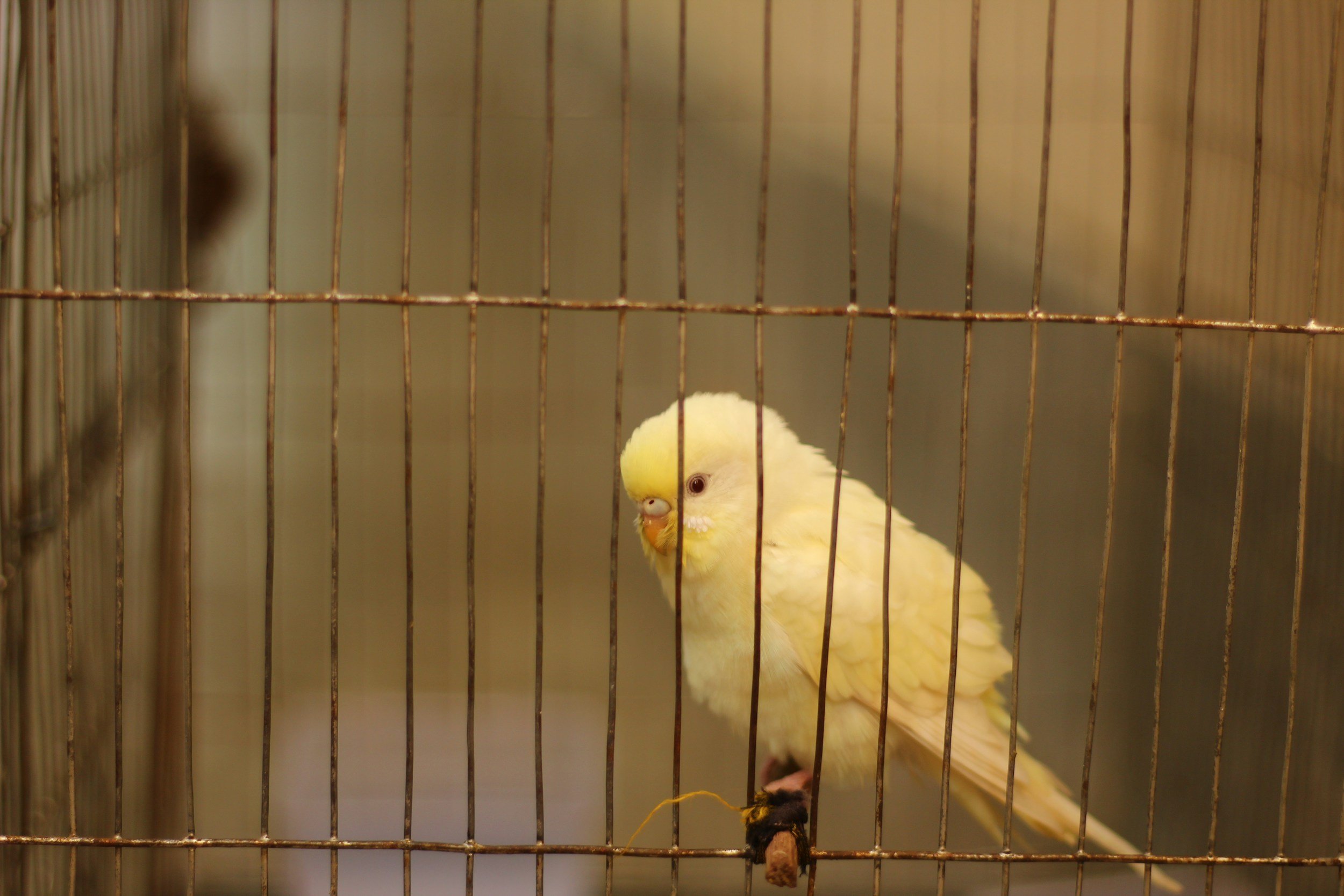
I Sing Because…….I Have To
I didn’t set out to have a revelation.
I was just trying to get through my shift.
The building I work in is a massive gray box—machines humming, conveyor belts moving, cardboard everywhere. No windows. No natural light. Time measured in tasks, scans, and numbers. There is nothing inherently beautiful about the space. It isn’t meant to be.
But Friday, something clicked.
I noticed I had been singing out loud while I worked. Not for anyone else—just for myself. Song after song, breath after breath. And I realized something simple and profound at the same time:
My songs were carrying me through.
They made the hours pass differently.
They softened the edges of the day.
They reminded me that I am still human inside a system that doesn’t always acknowledge that.
That’s when Maya Angelou’s “Why does the caged bird sing?” landed in my body—not as literature, but as lived truth.
The caged bird doesn’t sing because it’s happy.
It sings because singing is what’s left.
In a space stripped of beauty, autonomy, and softness, my voice became the one thing that wasn’t controlled. My body might be confined to repetitive motion, but my sound could move freely. My songs traveled farther than I could. They filled the space machines couldn’t touch.
There’s something radical about that.
When the environment offers no beauty, I have to make it myself.
When the world feels mechanical, I become the living thing.
When the workday threatens to flatten me, my voice gives me dimension again.
I didn’t ask permission to sing.
I didn’t wait until things improved.
I didn’t silence myself to be more “palatable” or “professional.”
I sang because my nervous system knew what I needed before my mind caught up.
And the truth is, this isn’t just about music.
It’s about how people survive spaces that were never designed with their humanity in mind. It’s about how expression becomes regulation. How creativity becomes resistance. How joy—imperfect, unpolished, sometimes shaky—becomes a lifeline.
The songs I sing aren’t performances.
They’re prayers.
They’re grounding cords.
They’re proof that even in a cage, something in me is still free.
I shouldn’t have to generate all the beauty on my own. That fact deserves grief. But until the world changes, I will not stop honoring the ways my body keeps me alive.
So if you hear someone singing in a gray place—
under their breath, off-key, softly or boldly—
know this:
They’re not being frivolous.
They’re not being unprofessional.
They’re surviving.
And sometimes, survival sounds like a song.