
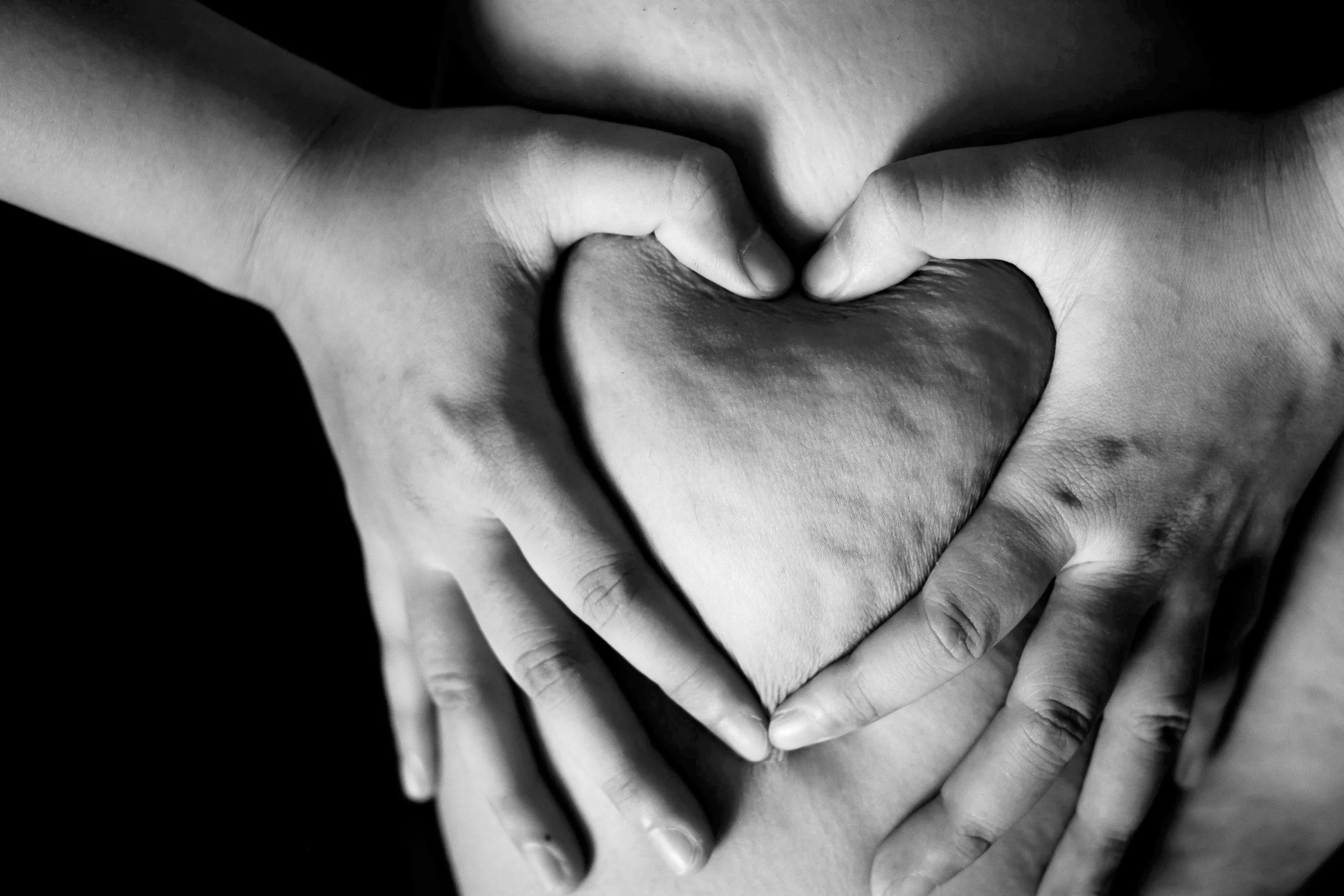
Your Body Is Not the Problem:
Fatness, Power, and Survival in America
There is a moment—quiet, unsettling—when you stop asking “What’s wrong with me?”
And start asking:
“What if this was done to me?”
Not in a cartoon-villain way.
Not in a single-policy way.
But in the way systems work best: slowly, subtly, and deniably.
If you live in the United States and feel like staying regulated, rested, nourished, and thin requires constant resistance—while weight gain, exhaustion, and dysregulation happen passively—then it’s worth asking a harder question:
What if fatness isn’t a personal failure, but a predictable outcome of a hostile environment?
The American Body Trap
In the U.S., the cheapest food is the most metabolically damaging.
The longest work hours come with the least rest.
Healthcare blames bodies instead of systems.
And stress is not a temporary state—it is a lifestyle.
This is not accidental.
The American environment is structurally obesogenic:
Ultra-processed food is subsidized and ubiquitous
Fresh food is expensive, perishable, and time-intensive
Work schedules disrupt sleep and hormones
Chronic stress floods the nervous system with cortisol
Healthcare gaslights fat people instead of investigating root causes
And then—after the body adapts exactly as biology predicts—the culture responds with shame.
Fatness as Social Control
Fatness in the U.S. is not just stigmatized.
It is weaponized.
Not because fat people are weak—but because shame is efficient.
When a person is taught to hate their body, they:
Turn their attention inward
Police themselves
Spend money trying to “fix” what isn’t broken
Blame themselves instead of the conditions harming them
A population focused on shrinking itself is a population too distracted to revolt.
You don’t need external surveillance when people are watching themselves.
The Moralization of the Body
In America, body size is treated as character.
Thinness is coded as:
Discipline
Responsibility
Worth
Fatness is coded as:
Laziness
Failure
Moral deficiency
This framing does important political work.
If suffering can be blamed on personal choices, then:
Poverty doesn’t need to be addressed
Racism doesn’t need to be named
Exploitative labor doesn’t need reform
Environmental toxins don’t need regulation
The body becomes the scapegoat.
Exhaustion Is the Point
Chronically stressed, sleep-deprived bodies:
Store more fat
Experience more inflammation
Have less energy for resistance or imagination
Then fatness is blamed for the fatigue it was produced by.
This is a closed loop:
Extract labor
Deny rest
Dysregulate bodies
Shame those bodies
Sell solutions
Repeat
Exhausted people do not organize well.
Tired bodies are compliant bodies.
Why This Lands Especially on Black Women
For Black women, body policing has never been neutral.
Black women’s bodies are:
Hypervisible and surveilled
Sexualized and shamed
Expected to be resilient, productive, and self-sacrificing
Fatness becomes one more justification for dismissal:
In medicine
At work
In public life
Concern is weaponized.
“Health” is used as a cover.
And respectability is dangled like a reward that never arrives.
This isn’t about care.
It’s about control.
The Lie of “After”
The culture promises freedom after:
After weight loss
After discipline
After self-improvement
But the finish line keeps moving.
There is always one more pound.
One more routine.
One more correction.
A population waiting to be worthy will wait forever.
Reclaiming the Body Without Shrinking
Liberation does not require becoming smaller.
It requires becoming less governable.
Resistance can look quiet and ordinary:
Refusing shame as a motivator
Prioritizing rest without earning it
Treating pleasure as information
Listening to the body instead of punishing it
Naming structural harm out loud
It looks like choosing regulation over punishment.
Care over compliance.
Truth over aspiration.
Your body is not a project.
It is a record.
Of stress endured.
Of labor extracted.
Of survival accomplished.
A Speak, Goddess Truth
If your body has adapted to an impossible system, that is not failure.
That is intelligence.
And the most radical thing you can do in a culture that profits from your dissatisfaction—
Is to stop consenting to the lie
that your body is the problem.